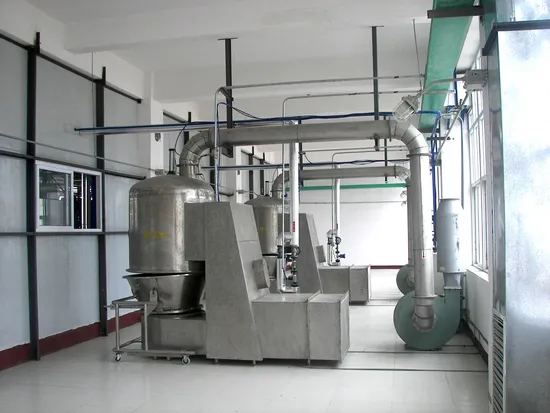
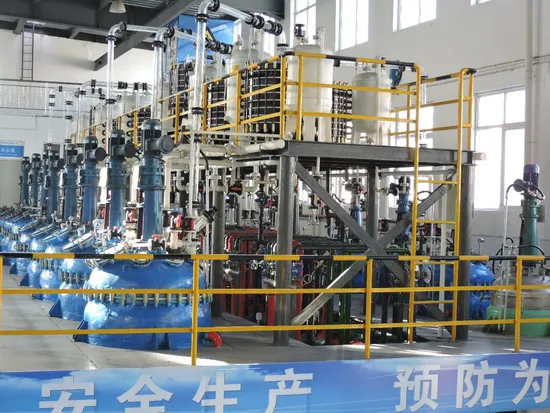
For industrial manufacturing and laboratory research purposes only.
Product Specifications
| Parameter | Value |
|---|---|
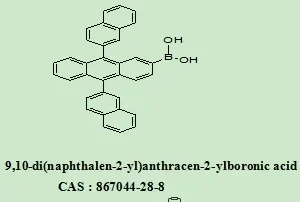
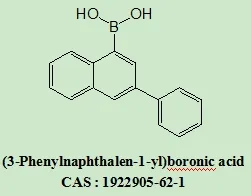
| Product Name | (3-Phenylnaphthalen-1-yl) Boronic Acid |
| CAS Number | 1922905-62-1 |
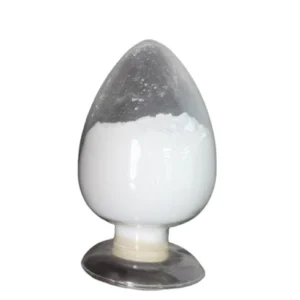
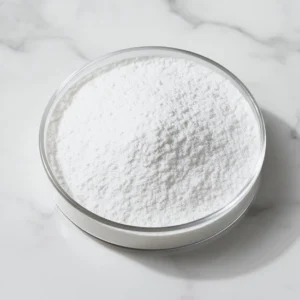
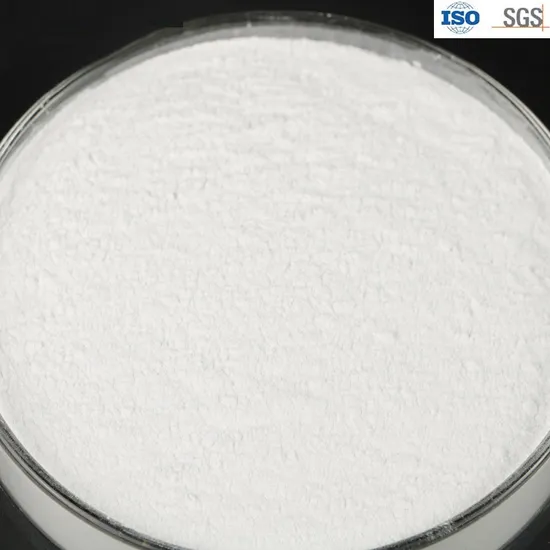
| Appearance | White or off-White Solid Powder |
| Purity | More Than 98% |
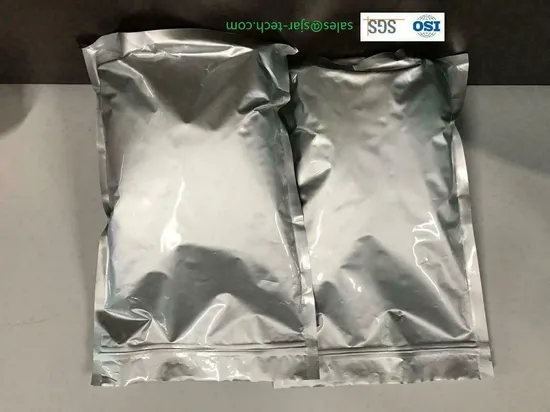
| Transport Package | Drums or Parcel |
| Specification | gram, kilogram |
| Origin | China |
| HS Code | 2934999099 |
| Production Capacity | 50kg/Month |
Overcoming OLED Intermediate Challenges: High-Purity (3-Phenylnaphthalen-1-yl) Boronic Acid 1922905-62-1
For over a decade in fine chemical supply, we’ve witnessed how inconsistent purity in OLED intermediates like (3-Phenylnaphthalen-1-yl) Boronic Acid can derail synthesis—causing unexpected副反应 in production lines or rendering research results irreproducible. Clients repeatedly face delays from unreliable suppliers who fail to maintain steady output, while substandard batches with hidden impurities compromise the performance of final optoelectronic products.
A Stable Foundation for OLED Material Synthesis
Our (3-Phenylnaphthalen-1-yl) Boronic Acid addresses these critical pain points through industrial-grade consistency and rigorous quality control. With a monthly production capacity of 50kg, we ensure uninterrupted supply for both large-scale manufacturing and precision laboratory research, eliminating the downtime risks that plague the electronics material sector.
Key Applications in Optoelectronic Manufacturing
As a specialized OLED Intermediate, this boronic acid plays a vital role in the synthesis of advanced organic light-emitting diode materials. Its unique molecular structure enables precise coupling reactions, making it indispensable for developing high-performance display technologies and optoelectronic components in industrial settings.
The Critical Role of Purity and Physical Properties
The 98%+ purity of our (3-Phenylnaphthalen-1-yl) Boronic Acid directly impacts reaction efficiency—minimizing副反应 and reducing purification steps in OLED material production. Its white solid powder form ensures uniform mixing and dissolution, while strict control over physical characteristics guarantees batch-to-batch consistency, a necessity for scaling up synthesis processes from lab to industrial production.
Risk Mitigation Through Reliable Sourcing
Choosing substandard OLED Intermediate Powder introduces significant risks: yield losses from impure starting materials, failed quality control checks, and potential damage to expensive production equipment. Our commitment to industrial-grade specifications not only ensures compliance with manufacturing standards but also delivers long-term cost efficiency by reducing process variability and material waste.
Our Quality Assurance Framework
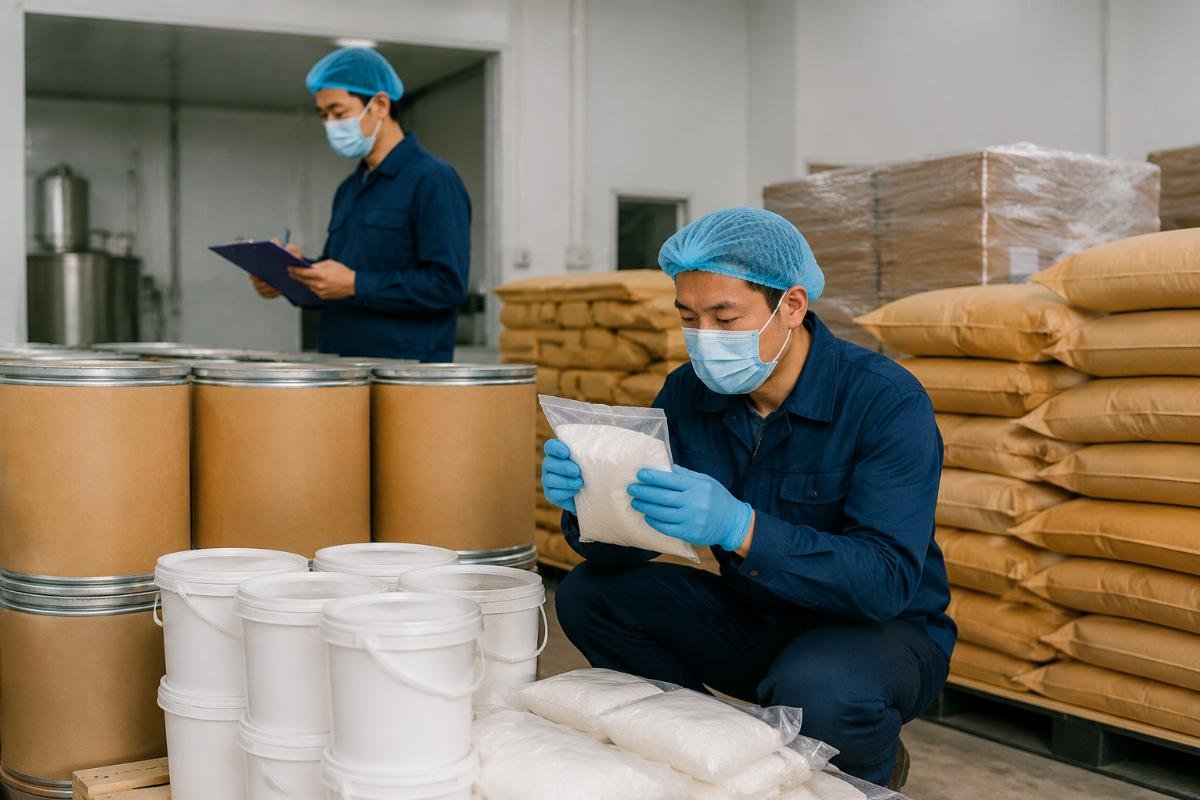
Every batch of (3-Phenylnaphthalen-1-yl) Boronic Acid undergoes comprehensive testing before release, with strict adherence to industrial quality protocols. We maintain complete production records, and each shipment includes a detailed Certificate of Analysis documenting key parameters. Our 50kg monthly capacity ensures stable supply, while our responsive technical team provides expert support for material handling and application optimization.
Certificate of Analysis & Documentation
All orders include a batch-specific Certificate of Analysis (COA) and Material Safety Data Sheet (MSDS). For critical applications, additional testing data can be provided upon request, ensuring full traceability and compliance with your quality management systems.
Storage & Handling
- Store in a cool, dry, well-ventilated area, sealed and away from direct sunlight.
- Keep away from incompatible materials, food and feed sources.
- Handle with appropriate personal protective equipment (gloves, goggles, lab coat).
- Follow good industrial hygiene practices. Avoid inhalation and skin contact.
- Refer to MSDS for detailed storage and safety instructions.
Streamlined Procurement Process
To secure your (3-Phenylnaphthalen-1-yl) Boronic Acid supply, simply contact our technical team with your required specifications. We provide detailed product documentation for evaluation, arrange sample testing when needed, and ensure on-time delivery with full customs clearance support for international shipments.
Frequently Asked Questions
Q: What is the storage shelf life of this product?
A: When stored properly in sealed containers under recommended conditions, the product maintains stability for 12 months from the date of manufacture.
Q: Is this product suitable for food or pharmaceutical applications?
A: No. This product is for industrial and laboratory research use only, not for direct human consumption or therapeutic applications.
Q: What documentation is provided with each shipment?
A: Each order includes a Certificate of Analysis (COA) and Material Safety Data Sheet (MSDS) specific to the batch.
Q: Can you accommodate custom packaging requirements?
A: Yes, we offer flexible packaging options including drums and specialized containers to meet your handling needs.
Q: How is product purity verified?
A: Purity is determined through rigorous analytical testing, with results documented in the batch-specific COA.