For industrial manufacturing and laboratory research purposes only.
Product Specifications
| Parameter | Value |
|---|---|
| CAS Number | 170729-80-3 |
| Grade Standard | Medicine Grade |
| Type | Chemicals |
| State | Solid |
| Volatile | Not Volatile |
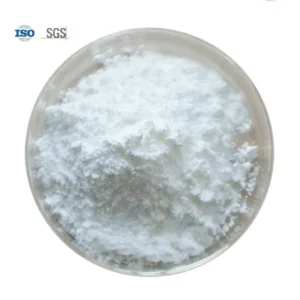
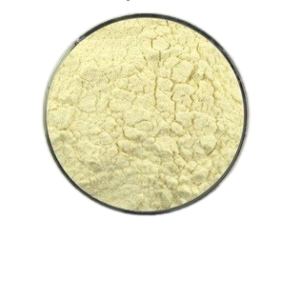
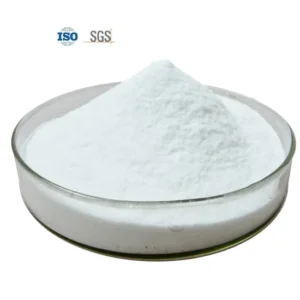
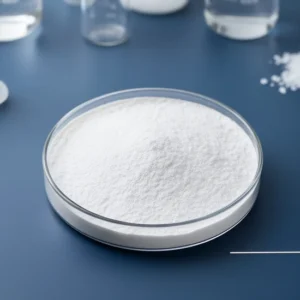
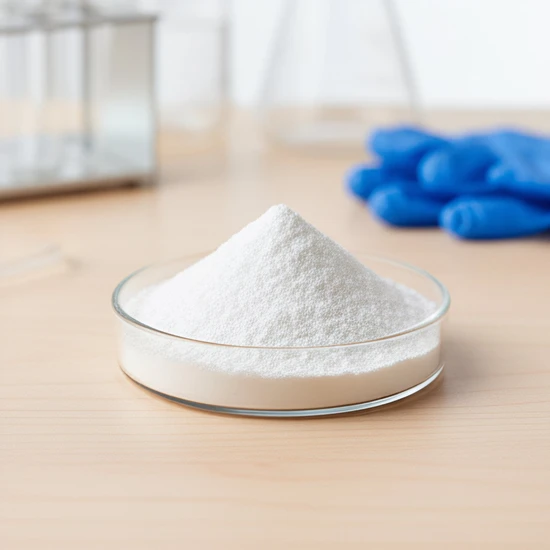
| Color | White Crystalline Powder |
| Assay | More Than 99% |
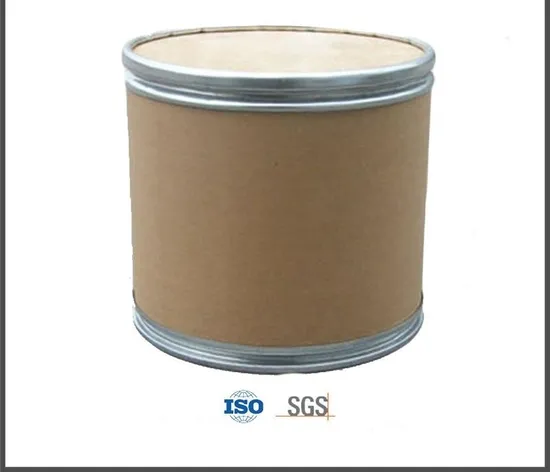
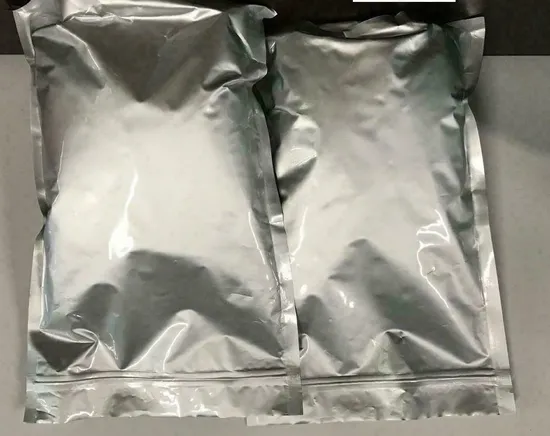
| Transport Package | Cardboard Drums or Cartons |
| Specification | gram, kilogram |
| Origin | China |
| HS Code | 2934999099 |
| Production Capacity | 100kg/Month |
Overcoming Purity and Supply Challenges with Aprepitant 170729-80-3
Industrial researchers and manufacturers often face critical issues with chemical raw materials—unstable purity leading to unexpected side reactions, inconsistent batch quality disrupting experimental reproducibility, and unreliable suppliers causing project delays. In our 10+ years serving 50+ countries, we’ve witnessed how these challenges can derail production timelines and inflate R&D costs.
A Stable and Reliable Medicine Grade Aprepitant Solution
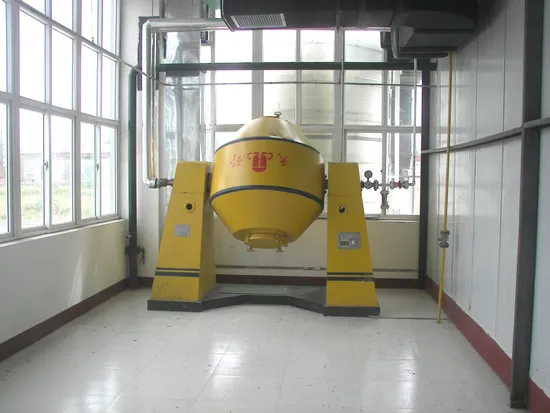
Our Aprepitant 170729-80-3 addresses these pain points through rigorous manufacturing control and consistent supply. With a monthly production capacity of 100kg, we ensure steady availability for both small-scale laboratory trials and large-volume industrial applications, supported by a supply chain network built to serve global industrial clients.
Typical Industrial Applications
Medicine Grade Aprepitant 170729-80-3 is primarily used as a key intermediate in chemical synthesis processes within pharmaceutical R&D and fine chemical manufacturing. Its high purity and stable physical properties make it suitable for controlled laboratory experiments and industrial-scale production where precise chemical composition is critical.
Why Key Specifications Matter for Industrial Use
The 99% assay of our Aprepitant minimizes impurity interference, ensuring accurate reaction outcomes and reducing the need for additional purification steps. Its solid, non-volatile form simplifies handling and storage in industrial settings, while the white crystalline powder appearance provides a visual indicator of product consistency. These specifications directly impact process efficiency—high purity reduces waste, consistent physical state streamlines production workflows, and reliable composition ensures batch-to-batch reproducibility.
What You Gain With Our Medicine Grade Aprepitant
Choosing compliant, high-quality Aprepitant 170729-80-3 mitigates the risks of using substandard materials, such as failed experiments, production downtime, and non-compliance with industrial quality standards. Our commitment to consistent supply eliminates the costs of project delays, while the product’s purity and stability contribute to overall process efficiency and cost-effectiveness for long-term manufacturing operations.
Why You Can Trust Our Aprepitant Supply
Our quality control process includes comprehensive testing at every production stage, with each batch undergoing strict purity and composition analysis. We provide a complete set of certification documents with every order, ensuring full transparency of product specifications. Our 100kg monthly production capacity guarantees stable supply, and we offer technical support to address specific industrial application requirements, backed by a track record of serving 10000+ industrial clients worldwide.
Certificate of Analysis & Documentation
Every shipment of Aprepitant 170729-80-3 includes a batch-specific Certificate of Analysis (COA) detailing assay results and quality parameters, along with a Material Safety Data Sheet (MSDS) for safe handling. Detailed testing data for specific batches can be requested using your order reference, ensuring full traceability and compliance with industrial documentation requirements.
Storage & Handling
- Store in a cool, dry, well-ventilated area, sealed and away from direct sunlight.
- Keep away from incompatible materials, food and feed sources.
- Handle with appropriate personal protective equipment (gloves, goggles, lab coat).
- Follow good industrial hygiene practices. Avoid inhalation and skin contact.
- Refer to MSDS for detailed storage and safety instructions.
How to Place Your Aprepitant Order
Initiate your order by consulting our technical team to confirm product specifications and certification details. We can provide samples for evaluation, followed by confirmation of procurement quantity and delivery timeline. Upon order placement, we’ll arrange secure packaging and logistics, with all necessary documentation included to ensure a smooth industrial procurement process.
Frequently Asked Questions
Q: What is the storage shelf life of Aprepitant 170729-80-3?
A: When stored under recommended conditions (cool, dry, sealed), the product maintains stability for 24 months from the production date.
Q: Can this product be used directly in pharmaceutical production for human consumption?
A: No. This product is for industrial and laboratory research use only, not for direct human consumption or therapeutic applications.
Q: What documentation is provided with each order?
A: Each shipment includes a Certificate of Analysis (COA) and Material Safety Data Sheet (MSDS).
Q: Do you offer custom packaging options?
A: Standard packaging is in cardboard drums or cartons; custom packaging for large-volume orders can be discussed with our sales team.
Q: How is product purity verified?
A: Purity is assayed through standardized laboratory testing, with results documented in the batch-specific COA.