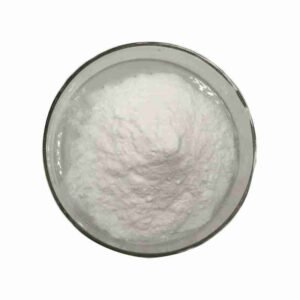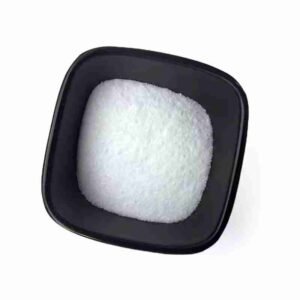
N,N-Diethyl-m-toluamide, commonly known as DEET, is a widely recognized synthetic compound that serves as the active ingredient in numerous insect repellent products. DEET is characterized by its efficacy in deterring and repelling a variety of insects, including mosquitoes, ticks, and flies, which are known vectors for diseases such as malaria, Lyme disease, and Zika virus.
Chemically, DEET is an amide with the molecular formula C12H19NO. It was first developed in 1946 and has since become the benchmark against which other insect repellents are measured. DEET works by targeting the olfactory receptors of insects, masking the scent of humans and animals, which are typically attractive to these pests.
This compound is valued for its long-lasting protection and stability under various environmental conditions. It is available in various formulations, including sprays, lotions, and creams, and can be applied topically to skin or clothing. DEET is also known for its compatibility with other active ingredients, allowing for the development of multi-purpose products.
In summary, DEET is a reliable and effective insect repellent, widely used for its ability to provide durable protection against disease-carrying insects. Its chemical properties and formulation flexibility make it a staple in the field of personal insect protection.
描述
| N,N-Diethyl-m-toluamide Chemical Properties |
| Melting point | -45 ??C |
| Boiling point | 111???C1?mm Hg |
| density | 0.998?g/mL?at 20???C(lit.) |
| vapor density | 6.7 (vs air) |
| vapor pressure | <0.01 mm Hg ( 25 ??C) |
| refractive index | n20/D 1.523(lit.) |
| Fp | >230???F |
| storage temp. | room temp |
| solubility | DMSO (Slightly), Ethyl Acetate (Slightly), Methanol (Slightly) |
| pka | -1.37??0.70(Predicted) |
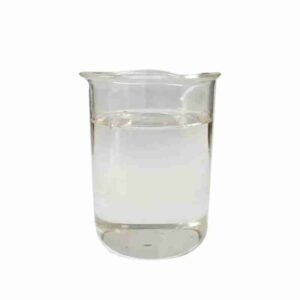
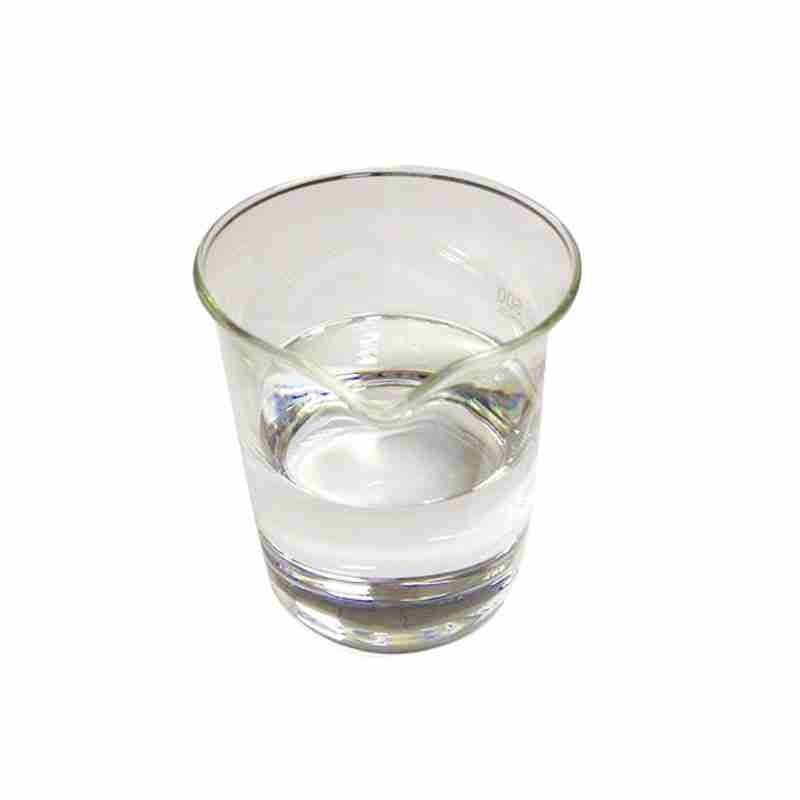
| form | Liquid |
| color | Clear |
| Specific Gravity | 0.996 |
| Odor | mild bland odor |
| Water Solubility | NEGLIGIBLE |
| Merck | 14,2856 |
| BRN | 2046711 |
| Stability: | Stable. Combustible. Incompatible with strong oxidizing agents, strong acids, strong bases. Hydrolyzes slowly in water. |
| InChIKey | CXVBTGKUSLNJQZ-UHFFFAOYSA-N |
| CAS DataBase Reference | 134-62-3(CAS DataBase Reference) |
| NIST Chemistry Reference | Diethyltoluamide(134-62-3) |
| EPA Substance Registry System | N,N-Diethyl-m-toluamide (134-62-3) |
| Safety Information |
| Hazard Codes | Xn |
| Risk Statements | 22-36/38-52/53 |
| Safety Statements | 61 |
| RIDADR | 2810 |
| WGK Germany | 2 |
| RTECS | XS3675000 |
| TSCA | Yes |
| HazardClass | 6.1(b) |
| PackingGroup | III |
| HS Code | 29242995 |
| Hazardous Substances Data | 134-62-3(Hazardous Substances Data) |
| Toxicity | LD50 orally in male rats (ml/kg): 2.43; in female rats: 1.78; dermally in rabbits: 3.18; LC50 by inhalation in rats (mg/l): 5.95 (U.S. EPA) |